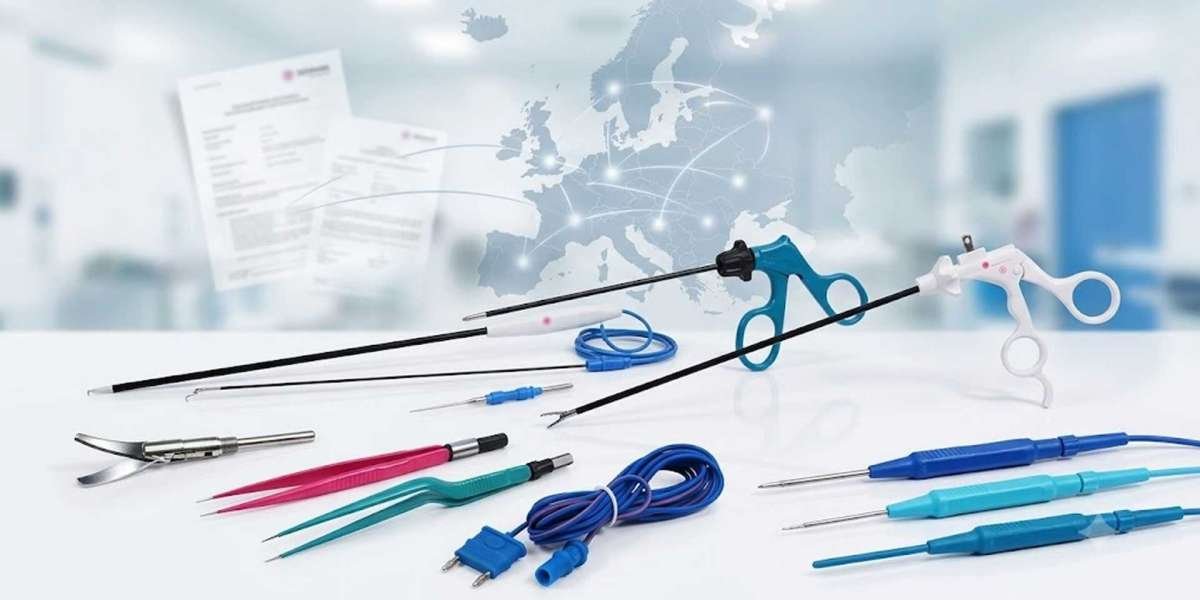

Successful distribution is built on reliable manufacturers, regional understanding, and the ability to earn hospital trust country by country
Building a strong surgical instrument distribution network in Europe requires more than market access. Distributors need reliable manufacturer relationships, clear communication, dependable instruments, and a serious understanding of how hospitals and private clinics make purchasing decisions. Across the Netherlands, Belgium, Spain, Ireland, and Finland, healthcare buyers expect supply partners who can respond professionally and support real operating room needs.
A strong surgical instrument distribution network Europe strategy depends on trusted manufacturer partnerships, reliable supply planning, clear documentation, and local market understanding. Distributors that combine professional communication with dependable surgical and electrosurgical instruments can build stronger relationships with hospitals, clinics, OEM buyers, and healthcare supply partners.
Why European Surgical Distribution Requires a Serious Long-Term Approach
Europe is a competitive healthcare market, and surgical buyers are careful about who they trust. Hospitals, procurement teams, operating room managers, and private clinics need distributors who can support them consistently, not only when placing the first order.
A distributor’s reputation grows through dependable supply, accurate information, and the ability to solve problems quickly. When these strengths are backed by a reliable manufacturer, distributors can build deeper trust with healthcare buyers across multiple regions.
- Hospitals need dependable access to surgical and electrosurgical instruments.
- Private clinics value responsive distributors that understand surgical planning.
- OEM buyers and healthcare supply partners look for long-term manufacturing confidence.
- Operating room teams prefer instruments that support practical workflow needs.
- Distributors need manufacturer partners who can support growth across European markets.
Distribution insight: Strong distribution networks are not built by simply entering more countries. They are built by earning trust in each market through reliability, preparation, and consistent support.
Start with a Manufacturer You Can Trust
Every strong distribution network begins with the manufacturer behind it. If the manufacturer is responsive, technically focused, and reliable, the distributor can approach buyers with greater confidence. If the manufacturer is unclear or inconsistent, the distributor often carries that weakness into every hospital conversation.
For surgical instruments, this matters even more. Buyers are not choosing casual supplies; they are selecting instruments connected to operating room performance, purchasing confidence, and long-term healthcare planning.
A strong manufacturer should support distributors with:
- Reliable access to surgical and electrosurgical instruments.
- Clear information for hospital and clinic discussions.
- Professional documentation support.
- Realistic communication around availability and supply timelines.
- A long-term commitment to distributor growth.
Build Around Instruments That Match Real Operating Room Needs
Distributors become stronger when their offering reflects what hospitals actually use. A scattered or incomplete instrument range can make buyer conversations difficult. A focused surgical and electrosurgical offering helps distributors support operating room managers, surgical buyers, and procurement teams more naturally.
For European healthcare supply, important instruments often include HF surgery instruments, MIS instruments, laparoscopic tools, access instruments, fluid management solutions, and related electrosurgical accessories.
Instruments that can strengthen a European distribution network include:
- Single-use HF instruments
- Reusable HF instruments
- Single-use MIS instruments
- Bipolar forceps
- Monopolar electrodes
- Laparoscopic instruments
- Suction and irrigation systems
- Veress needles
- Trocars
- Clip appliers
- Premium retrieval bags
- Electrosurgical accessories
Manufacturer-side perspective: Distributors perform better when they can walk into hospital discussions with instruments that reflect daily surgical demand, not just a long list of unrelated items.
Understand Each Market Before Expanding
A distribution strategy that works in one European country may not work the same way in another. Each market has its own buyer expectations, communication style, language needs, procurement habits, and healthcare structure.
Distributors that study these differences can approach buyers more professionally. This is especially important when entering or growing in the Netherlands, Belgium, Spain, Ireland, and Finland.
Netherlands
The Netherlands often values structured communication, efficient supplier coordination, and clear instrument information. Distributors entering this market should be prepared to support practical purchasing discussions with confidence and precision.
Belgium
Belgium requires thoughtful communication because of its multilingual and regional purchasing environment. Distributors can build stronger relationships by presenting surgical instruments clearly and supporting buyers with consistent follow-up.
Spain
Spain offers strong opportunities through hospitals, private clinics, and healthcare supply networks. Distributors can strengthen their position with reliable access to HF instruments, laparoscopic instruments, MIS solutions, and electrosurgical accessories.
Ireland
Irish healthcare buyers often value responsiveness, trust, and practical support. Distributors serving this market need manufacturer partners who can help them respond quickly and communicate professionally.
Finland
Finland’s healthcare market often places strong value on preparation, reliability, and clear supplier information. Distributors should approach Finnish buyers with a serious, well-organized, and long-term mindset.
Make Hospital Communication Clear and Useful
Hospitals do not need complicated sales language. They need clear answers. Distributors that communicate in a practical, informed, and professional way can separate themselves from competitors quickly.
This means providing useful information without overpromising. It also means responding to questions about availability, documentation, instrument use, and supply timelines with confidence.
Strong distributor communication should include:
- Clear instrument descriptions.
- Accurate availability updates.
- Professional documentation support.
- Realistic lead time communication.
- Helpful follow-up after buyer discussions.
- Consistency before, during, and after orders.
Hospital buyer insight: Buyers remember distributors who make decisions easier. Clear communication can be just as important as the instrument offering itself.
Support Both Public and Private Healthcare Buyers
A strong surgical instrument distribution network Europe strategy should consider different buyer types. Public hospitals, private clinics, OEM buyers, operating room managers, and healthcare supply partners may all have different priorities.
Some buyers focus heavily on documentation and tender readiness. Others prioritize responsiveness, availability, and practical ordering support. A mature distributor learns how to serve each buyer without losing consistency.
- Public hospitals may require structured documentation and purchasing processes.
- Private clinics often value faster communication and practical availability.
- OEM buyers may need long-term manufacturing cooperation.
- Operating room managers often focus on workflow and instrument readiness.
- Healthcare supply partners look for reliability and business continuity.
Use Manufacturer Support to Strengthen Local Relationships
Distributors grow faster when they are not left alone after the first shipment. A serious manufacturer should help distributors maintain buyer confidence by supporting clear communication, steady supply planning, and professional cooperation.
Seemann Technologies supports distributors, hospitals, private clinics, OEM buyers, and healthcare supply partners with surgical and electrosurgical instruments designed for modern healthcare environments. Its range includes single-use HF instruments, reusable HF instruments, single-use MIS instruments, bipolar forceps, monopolar electrodes, laparoscopic instruments, suction and irrigation systems, Veress needles, trocars, clip appliers, premium retrieval bags, and related accessories.
For distributors expanding across Europe, this manufacturer-led support can help create stronger conversations with buyers who expect reliability and professional preparation.
Strengthen Trust Through Consistency After the First Order
Many distributor relationships weaken after the first sale because follow-up becomes slow or inconsistent. Strong distributors do the opposite. They maintain communication, update buyers clearly, and prepare for future needs before problems appear.
Hospitals and clinics value distributors who stay accountable. This type of service can turn a single order into a long-term relationship.
Ways distributors can build long-term trust:
- Follow up after delivery with professional communication.
- Keep buyers informed about future availability.
- Respond quickly to repeat order discussions.
- Maintain accurate records of buyer preferences.
- Support hospitals before tenders and purchasing reviews.
- Use manufacturer updates to keep local buyers informed.
Strategic takeaway: Distribution growth is not only about winning new buyers. It is also about becoming the supplier existing buyers prefer to return to.
What Distributors Should Review Before Expanding Across Europe
Before expanding into new healthcare markets, distributors should assess whether their manufacturer relationships, communication process, and instrument offering are strong enough to support growth.
Key questions to consider include:
- Do we have a reliable surgical instrument manufacturer behind us?
- Can we support hospitals with HF, MIS, laparoscopic, and electrosurgical instruments?
- Are documentation and instrument information ready for buyer review?
- Can we communicate professionally across multiple European markets?
- Do we understand the buying expectations in each target country?
- Can we support both hospitals and private clinics with confidence?
- Are we prepared for long-term relationship building after the first order?
Final Thoughts
Building a strong surgical instrument distribution network Europe buyers can trust requires patience, preparation, and the right manufacturing relationships. Distributors need more than access to instruments. They need reliability, communication, regional awareness, and the ability to support hospitals with confidence.
Across the Netherlands, Belgium, Spain, Ireland, and Finland, Seemann Technologies helps distributors and healthcare buyers strengthen surgical supply with instruments built around modern operating room needs. For distributors ready to grow across Europe, the strongest path forward begins with a manufacturer partner that understands both surgical instruments and the relationships behind them.
FAQs
How can distributors build a strong surgical instrument network in Europe?
Distributors can build a strong network by working with reliable manufacturers, understanding local healthcare markets, communicating clearly with hospitals, and supporting buyers with dependable surgical and electrosurgical instruments.
Why is manufacturer support important for European distributors?
Manufacturer support is important because distributors rely on suppliers for instrument availability, documentation, lead time communication, and long-term supply confidence.
Which instruments are important for surgical distribution in Europe?
Important instruments include single-use HF instruments, reusable HF instruments, single-use MIS instruments, bipolar forceps, monopolar electrodes, laparoscopic instruments, suction and irrigation systems, Veress needles, trocars, clip appliers, premium retrieval bags, and electrosurgical accessories.
Which European markets are important for surgical instrument distributors?
The Netherlands, Belgium, Spain, Ireland, and Finland are strong target markets for distributors seeking to grow with surgical, electrosurgical, MIS, and laparoscopic instruments.
How does Seemann Technologies support surgical instrument distributors?
Seemann Technologies supports distributors with surgical and electrosurgical instruments for hospitals, private clinics, OEM buyers, and healthcare supply partners across Europe.