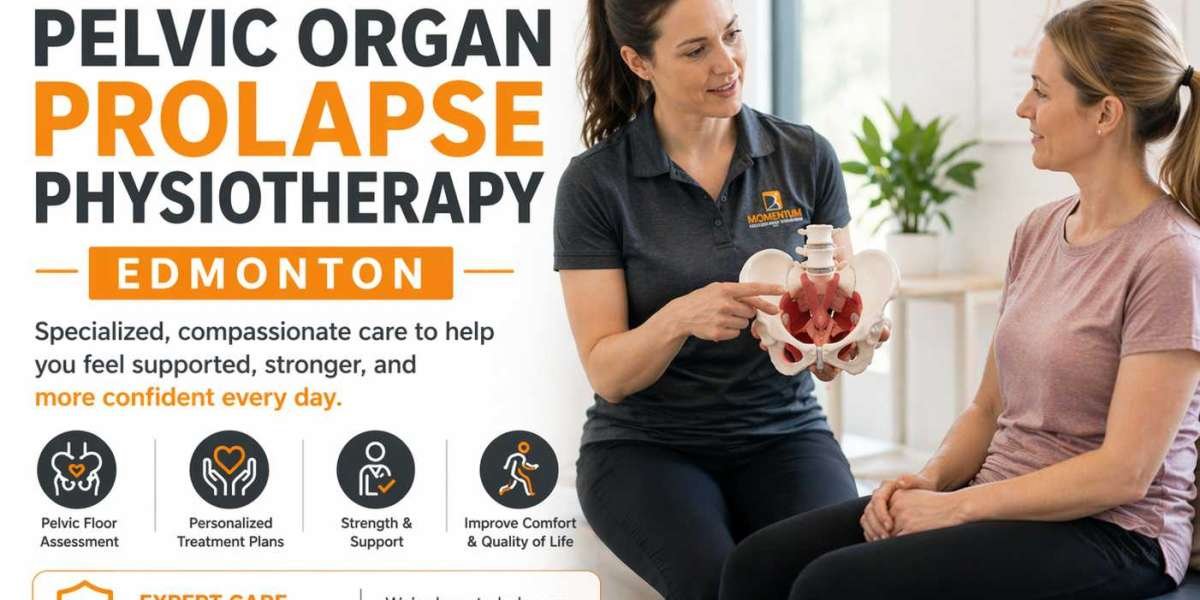

Understanding Pelvic Floor Health
The pelvic floor is a group of muscles located at the base of the pelvis. These muscles support the bladder, bowel, and core while helping with posture, movement, and stability. When the pelvic floor becomes weak, tight, or uncoordinated, it can lead to symptoms that interfere with daily routines and physical comfort.
Many people are surprised to learn how connected the pelvic floor is to everyday activities such as walking, lifting, exercising, and even sitting for long periods. Pelvic floor concerns can affect women and men of different ages and activity levels.
Pelvic Floor Physiotherapy Edmonton services focus on improving muscle function and helping patients feel more comfortable during daily activities. Treatment plans are designed around each individual’s symptoms, lifestyle, and recovery goals.
Common Causes of Pelvic Floor Dysfunction
Pelvic floor issues can develop gradually over time or appear after physical stress, injury, or lifestyle changes. In some cases, symptoms may begin after pregnancy or surgery, while others develop from posture, repetitive strain, or prolonged muscle tension.
Common contributing factors include:
- Pregnancy and postpartum recovery
- Heavy lifting or repetitive strain
- Chronic coughing
- High-impact physical activity
- Poor posture and weak core muscles
- Pelvic surgery recovery
- Muscle tightness and stress
People who spend long hours sitting or standing may also experience increased pelvic tension and discomfort. In many situations, symptoms worsen slowly, making it difficult to identify the exact cause right away.
Symptoms That May Indicate Pelvic Floor Problems
Pelvic floor dysfunction can affect daily comfort, mobility, and confidence. Symptoms vary from person to person depending on muscle weakness, tightness, or coordination problems.
Some common symptoms include:
- Bladder leakage during coughing or exercise
- Frequent urgency to urinate
- Pelvic pressure or discomfort
- Lower back or hip tension
- Pain during certain movements
- Weak core stability
- Difficulty controlling pelvic muscles
Some individuals may avoid exercise or social activities because of these symptoms. Others experience discomfort during routine tasks without understanding the connection to pelvic floor health.
Early physiotherapy assessment may help identify movement patterns and muscle imbalances contributing to ongoing symptoms.
How Pelvic Floor Physiotherapy Helps
Pelvic Floor Physiotherapy Edmonton treatment focuses on improving muscle coordination, strength, flexibility, and overall pelvic support. Physiotherapists use personalized assessments to understand how the pelvic floor muscles are functioning alongside surrounding areas such as the hips, lower back, and abdominal muscles.
Treatment may include:
- Guided pelvic floor exercises
- Breathing and relaxation techniques
- Core stability training
- Postural correction
- Manual therapy
- Stretching for tight muscles
- Education about movement habits
The goal is to help patients improve muscle control and reduce daily discomfort while supporting long-term movement and stability.
Treatment plans are adjusted gradually to match each patient’s comfort level and recovery progress. Physiotherapy often focuses on helping patients feel confident returning to exercise, work, and normal routines safely.
Exercises Used in Pelvic Floor Rehabilitation
Exercise therapy is an important part of pelvic floor rehabilitation. Physiotherapists guide patients through controlled movements designed to strengthen supportive muscles while improving flexibility and coordination.
Pelvic floor exercises may include breathing control, gentle muscle activation, hip strengthening, and core stability work. In some cases, relaxation exercises are equally important, especially when muscle tension contributes to discomfort.
Patients are often encouraged to practise exercises consistently at home to improve long-term results. Small improvements over time can lead to better movement control and improved daily comfort.
Why Early Treatment Matters
Many people delay seeking help because pelvic floor symptoms can feel embarrassing or confusing. However, early treatment may help prevent symptoms from becoming more disruptive over time.
Pelvic floor dysfunction can affect physical activity, sleep quality, workplace comfort, and confidence during social situations. Physiotherapy provides a supportive environment where patients can discuss symptoms openly and receive personalized care focused on their individual needs.
Addressing pelvic floor concerns early may also improve recovery after pregnancy, physical strain, or prolonged muscle imbalance.
Supporting Everyday Movement and Comfort
The pelvic floor works together with the hips, abdomen, and lower back to support movement and posture. When one area becomes weak or tight, surrounding muscles often compensate, leading to additional tension and discomfort.
At Momentum Spine and Sports Physiotherapy Clinic, pelvic floor rehabilitation focuses on improving overall movement patterns while helping patients regain confidence in daily activities. Treatment plans are tailored for each person’s lifestyle, physical demands, and comfort goals.
Whether symptoms are mild or ongoing, physiotherapy can help patients better understand their body mechanics and work toward improved muscle function.
When to Seek Pelvic Floor Physiotherapy
People experiencing bladder leakage, pelvic discomfort, core weakness, or ongoing pressure sensations may benefit from pelvic floor physiotherapy. Symptoms that interfere with exercise, work, or normal daily activities should not be ignored.
A professional assessment can help identify contributing factors and guide patients toward safe, individualized treatment options that support recovery and long-term movement health.
Conclusion
Pelvic floor dysfunction edmonton can affect comfort, confidence, and movement during everyday life. Pelvic Floor Physiotherapy Edmonton treatment helps patients improve muscle coordination, core support, and daily function through personalized rehabilitation strategies.
At Momentum Spine and Sports Physiotherapy Clinic, patient-focused care aims to support recovery while improving mobility and overall well-being. With consistent treatment and guided exercises, many individuals experience better movement control and improved comfort over time.
FAQ Schema Style Questions
What is pelvic floor physiotherapy used for?
Pelvic floor physiotherapy is used to improve pelvic muscle function, bladder control, core stability, and movement coordination. It may help individuals experiencing weakness, tightness, or discomfort affecting daily activities.
How many sessions of pelvic floor physiotherapy are usually needed?
The number of sessions varies depending on symptoms, muscle condition, and individual recovery goals. Some patients notice improvement within a few visits, while others benefit from longer-term guided rehabilitation.
Contact Details
Momentum Spine and Sports Physiotherapy Clinic
Terwillegar Physiotherapy Clinic
5108 Mullen Road NW Edmonton, AB T6R 0S9
Email: info@mssphysio.com
Phone: (587) 409-4495
Windermere Physiotherapy Clinic
1301 Windermere Way SW Edmonton AB T6W 2P3
Email: windermere@mssphysio.com
#PelvicFloorPhysiotherapyEdmonton #PelvicHealthPhysiotherapy #PhysiotherapyEdmonton #CoreStrengthRehabilitation #PostpartumPhysiotherapy #WomenHealthPhysiotherapy #MomentumSpineAndSportsPhysiotherapy