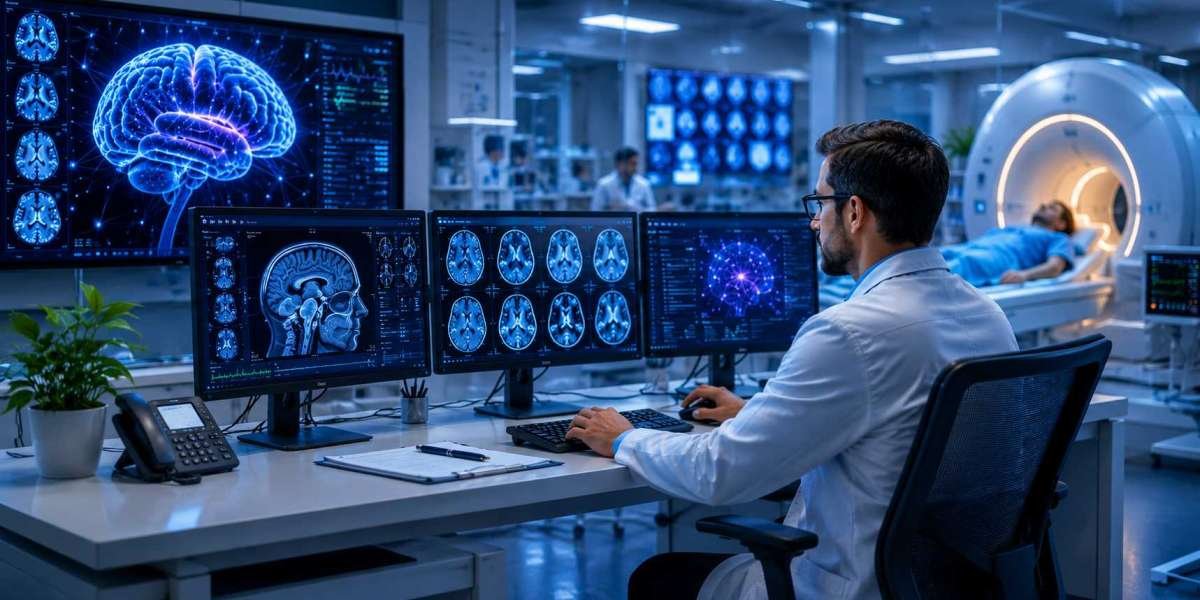

Modern neurology clinics rely heavily on digital systems to manage patient care, medical records, communication, and daily operations. As technology becomes more important in healthcare, neurologists need secure and reliable systems that support both doctors and patients. This is why many healthcare providers are now investing in managed IT services to improve efficiency, strengthen cybersecurity, and reduce technical issues.
Neurology practices deal with sensitive patient information, advanced diagnostic tools, and large amounts of healthcare data every day. Without proper IT support, even a small technical problem can interrupt patient care and create unnecessary delays. Healthcare IT solutions help neurologists maintain smooth operations while protecting patient information and improving workflow.
Why Technology Matters in Neurology Practices
Neurology clinics use different types of digital tools, including electronic health records, imaging systems, scheduling software, and cloud-based communication platforms. These systems help healthcare professionals provide faster and more accurate patient care. However, managing all this technology can become difficult without expert IT support.
Reliable managed IT services help healthcare providers monitor systems, prevent downtime, and maintain secure access to patient information. With proper healthcare IT management, neurologists can focus more on patient care instead of dealing with technical problems.
Technology also improves collaboration between healthcare teams. Doctors, nurses, and administrative staff can access information quickly, share updates securely, and improve communication within the clinic.
The Growing Importance of Cybersecurity in Healthcare
Healthcare organizations are becoming common targets for cyberattacks because they store highly sensitive patient data. Neurology clinics must protect electronic records, financial details, and medical histories from security threats. A single data breach can damage patient trust and create serious operational problems.
Strong cybersecurity services help prevent unauthorized access, ransomware attacks, and data loss. Healthcare IT systems should include firewalls, encrypted communication, secure backups, and regular software updates to reduce security risks.
Cybersecurity training is also important for clinic staff. Many cyber threats begin with phishing emails or weak passwords. Educating employees about online safety can reduce the chances of human error and improve overall security.
Healthcare regulations continue to become stricter regarding patient privacy and data protection. Proper IT support helps neurology practices maintain compliance while keeping medical systems safe and secure.
How Cloud IT Solutions Support Neurologists
Cloud technology has changed the way healthcare organizations store and manage data. Many neurology clinics now use cloud IT solutions because they offer flexibility, accessibility, and better data management.
Cloud-based systems allow doctors and healthcare staff to access patient records securely from different locations. This improves communication between teams and helps providers deliver faster care. Cloud systems also support remote consultations, which have become increasingly important in modern healthcare.
Another advantage of cloud technology is data backup and disaster recovery. If a clinic experiences hardware failure, power outages, or cyberattacks, cloud backups help restore important data quickly. This reduces downtime and keeps operations running smoothly.
Scalable cloud solutions are also useful for growing neurology practices. Clinics can expand storage and services without investing heavily in physical infrastructure.
Benefits of Managed IT Services for Neurology Clinics
Healthcare providers often face technical challenges that affect productivity and patient experience. Professional managed IT services help solve these problems through proactive monitoring and support.
Improved System Performance
Regular maintenance and monitoring help reduce downtime and improve the performance of healthcare systems. Fast and reliable systems support better patient care and smoother daily operations.
Better Data Protection
Protecting patient information is one of the most important responsibilities in healthcare. Secure IT systems help prevent data breaches and maintain patient confidentiality.
Faster Technical Support
Quick technical support helps healthcare staff solve issues before they become major problems. This reduces delays and keeps clinics operating efficiently.
Cost Management
Managed IT support helps healthcare organizations avoid expensive repairs and unexpected technology failures. Predictable IT management can also improve long-term budgeting.
IT Consulting for Modern Healthcare Environments
Technology in healthcare continues to evolve rapidly. Many neurology practices need guidance when choosing software, upgrading systems, or improving cybersecurity strategies. Healthcare IT consulting helps clinics make informed technology decisions based on their specific needs.
IT consultants evaluate current systems, identify weaknesses, and recommend practical solutions that improve efficiency and security. They also help clinics prepare for future growth by creating scalable technology plans.
Healthcare providers must balance patient care with operational efficiency. Proper IT planning supports both goals by creating reliable systems that improve communication, protect data, and streamline workflows.
The Future of Healthcare IT in Neurology
The healthcare industry will continue to depend on digital systems and advanced technology. Neurology clinics are expected to adopt more cloud platforms, automation tools, and secure communication systems in the coming years.
Reliable managed IT services will remain essential for maintaining secure healthcare environments and improving patient experiences. From cybersecurity to cloud management, healthcare IT solutions help neurologists operate more efficiently while protecting sensitive patient information.
As technology continues to shape modern healthcare, neurology practices that invest in strong IT infrastructure will be better prepared for future challenges and opportunities. Secure systems, professional IT support, and effective cloud solutions can help healthcare providers deliver high-quality care while maintaining operational stability.
Conclusion
In conclusion, modern neurology practices cannot operate efficiently without strong digital support systems. With the increasing use of digital records, diagnostic tools, and communication platforms, reliable managed IT services have become essential for ensuring smooth and secure healthcare operations.
From protecting sensitive patient data to improving system performance and enabling cloud access, healthcare IT solutions play a vital role in supporting neurologists. Strong cybersecurity, proper IT consulting, and cloud-based systems help reduce risks, improve efficiency, and enhance patient care.
As healthcare technology continues to grow, neurology clinics that invest in advanced IT support will be better prepared for future challenges while delivering safer and more effective medical services.


