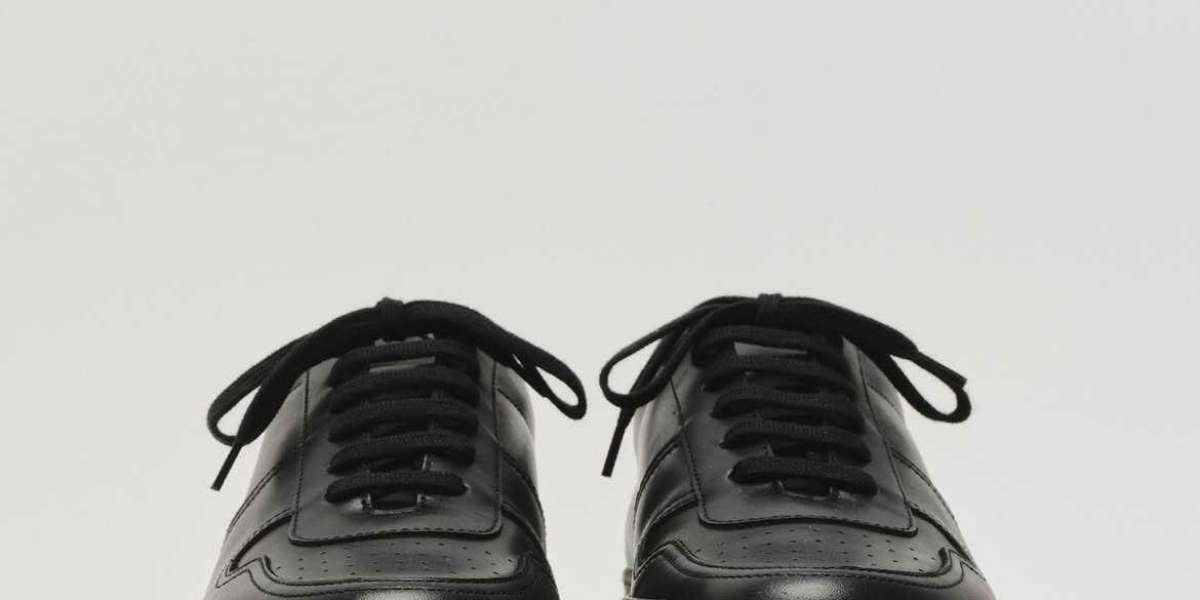

Finding the right trainer size can make a big difference to daily comfort, especially when you are paying for a premium pair. Common Projects has become known for clean silhouettes, low-profile soles, and a close, neat shape that works well with modern wardrobes. That means getting the size right matters more than simply choosing the number you usually wear. This Common Projects sizing guide explains how the fit should feel, what to check when trying a pair, and how to choose between sizes when you sit between them. For shoppers looking at Common Projects Sneakers in the UK, the goal is a secure fit that leaves enough room for natural foot movement.
How Common Projects Sneakers Should Fit
A well-fitting pair should feel secure around the heel and midfoot without squeezing your foot. Your toes should have room to move, and they should not touch the front of the shoe when you walk. The shoe should hold your foot in place without relying on very tight lacing. Common Projects Sneakers often have a clean, low-profile shape, so the fit can feel more fitted than a roomy trainer at first.
When you stand, check the space in front of your longest toe. A small amount of room is useful because your feet move forward slightly during walking. Your heel should stay mostly in place when you take a few steps, with little or no slipping. If the shoe feels loose around the heel but tight near the toes, going up or down a size may not solve the issue, since the shape of your foot also matters.
Understanding Common Projects Sizing
Sizing can vary between footwear brands, so your usual trainer size is a useful starting point rather than a guarantee. Common Projects UK sizing is often discussed in relation to European sizing, which makes it helpful to compare the brand's size information with the measurements of a pair you already own. Check the product listing before ordering, since sizing can differ between styles and seasons. If you are shopping through Common Projects UK retailers, look for the exact size chart attached to the product page.
Your foot length is more useful than guessing from your UK shoe number alone. Measure both feet while standing, since one foot can be slightly longer than the other. Use the longer measurement when comparing with a size chart. This simple check can reduce the chance of ordering a pair that feels too short.
Should You Size Up or Down?
If your usual size feels tight across the toes, sizing up may give you the extra room you need. If your heel lifts and the shoe feels loose across the whole foot, sizing down may be worth trying. Still, do not size down just because you prefer a close fit, since too little toe room can become uncomfortable during longer walks. Common Projects Sneakers should feel snug rather than restrictive.
People with wider feet may need to pay extra attention to the toe box and forefoot. A longer size can add front-to-back room without giving much extra width, so moving up a size is not always the perfect answer. In that situation, the measurements and shape of the specific model matter more than the number printed inside the shoe.
Measuring Your Feet Before Buying
Measuring your feet at home is a simple way to make a more informed choice. Place a sheet of paper on a hard floor and stand on it with your heel close to a wall. Mark the end of your longest toe, then measure the distance from the wall to that mark. Repeat the process for the other foot and use the longer result when checking the size chart.
Measure your feet later in the day if possible, because feet can swell slightly after hours of walking and standing. Wear the type of socks you expect to use with the shoes. If you plan to wear Common Projects Sneakers with thin everyday socks, measure with similar socks on. A measurement taken in thick socks can lead you towards a size that feels too loose with your normal pair.
Trying Common Projects Sneakers for the First Time
When your new pair arrives, try them indoors on a clean surface so you can inspect the fit before wearing them outside. Lace them as you normally would and walk for several minutes. Pay attention to the heel, the sides of the forefoot, and the space around your toes. Common Projects Sneakers should stay secure while allowing your foot to move naturally.
Do not judge the fit from the first few seconds alone. Leather can feel firm when new, but a shoe should not depend on painful pressure becoming comfortable later. The right size should feel wearable from the start, even if the upper becomes softer with use. If you notice sharp pressure, numbness, or your toes touching the front, reconsider the size or model.
Check the Heel
Heel movement is one of the easiest signs to notice. A small amount of movement can happen with a new shoe, especially before the foot settles into the upper. Excessive lifting with every step can create rubbing and make the shoe feel unstable. If the heel moves a lot while the rest of the shoe feels roomy, a smaller size may provide a better fit.
Check the Toe Area
Your toes should not be pressed together or pushed against the front wall of the shoe. Try walking downhill indoors if you can do so safely, since this can reveal whether your toes slide forward. You should still have room to move them. Common Projects sizing should give you enough length for normal walking without making the shoe look oversized on your foot.
Common Fit Problems and What They Mean
A tight toe box can point to a short size, a narrow shape, or both. If your longest toe touches the front while standing, the shoe is too short. If there is enough length but the sides press against your forefoot, the issue may be width rather than length. In that case, moving up one size may create more length than you actually need.
Heel slipping can also be caused by the wrong size, but it can come from your foot shape or the way you lace the shoe. Try adjusting the laces before deciding that the shoe is too large. If the heel still lifts noticeably and you have a lot of space around the rest of the foot, a smaller size may work better. Common Projects Sneakers look clean when worn with the right proportions, so an oversized fit can also change the intended appearance.
Another common issue is buying a size based only on a familiar UK number. Footwear sizing is not perfectly consistent across brands, and even two models from the same label can feel different. Compare measurements, read the retailer's sizing notes, and check the return terms before ordering. This approach is especially useful when buying from Common Projects UK sellers online.
Common Projects Sneakers for Different Foot Shapes
Foot shape can change how the same size feels. Someone with a narrow heel may notice more movement at the back, while someone with a wider forefoot may feel pressure at the sides. Your arch, toe shape, and instep height can also affect how a shoe sits on your foot. Common Projects Sneakers should be assessed by comfort and stability rather than by size number alone.
If you have narrow feet, a secure heel and firm midfoot hold should be your focus. If you have wider feet, check the forefoot carefully before deciding on a size. People with higher insteps should also look at how the laces sit across the upper. The best fit keeps the foot secure without creating pressure points.
Choosing Between Two Sizes
Being between sizes is common, especially when your measured foot length falls close to a size boundary. Start by checking the brand or retailer chart and compare the measurements with both options. Think about the socks you will wear and whether you prefer a closer or slightly more relaxed feel. With Common Projects sizing, the better choice is the one that keeps your heel secure while giving your toes enough space.
For a close everyday fit, the smaller option can work when there is still enough toe room and no pressure across the forefoot. If the smaller size feels cramped, the larger size is usually the safer choice for comfort, provided the heel does not slip badly. Insoles and socks can change the feel slightly, but they should not be used to rescue a clearly wrong size. Common Projects Sneakers should not need heavy adjustments to feel wearable.
Buying Common Projects Sneakers in the UK
UK shoppers should check whether a retailer lists UK, EU, or another sizing system. Some online stores display several size conversions, and a small difference in conversion can lead to the wrong order. Read the product-specific chart rather than relying on a generic conversion table. Common Projects UK shoppers should also check the retailer's return policy before placing an order.
When buying online, keep the shoes indoors until you are confident about the fit. Check both shoes, walk on a clean floor, and compare the feel after several minutes. If the size does not work, follow the retailer's return instructions before wearing them outdoors. This gives you a better chance of changing the size without complications.
Caring for the Fit Over Time
A new pair can feel firmer than a well-worn pair, but the length will not increase in a way that fixes a shoe that is too short. Leather may soften and become more comfortable around the foot as it is worn. That is different from gaining meaningful extra room at the toe. If Common Projects Sneakers hurt your toes from the first wear, changing size is a better option than hoping the shoe will stretch enough.
Use suitable socks and give the shoes time to rest between wears when possible. A shoe that is allowed to air out can feel better over repeated use. Keep the shape supported when storing the pair, and avoid forcing your feet into a size that feels too tight. Good fit starts with the right size and stays comfortable through sensible wear.
Frequently Asked Questions
Do Common Projects Sneakers run true to size?
They can feel different from roomier trainers because of their clean, close shape. Your usual size is a useful starting point, but measuring your feet and checking the product-specific chart is a better way to choose. Common Projects sizing should be judged by toe room, heel hold, and overall comfort.
Should I size up in Common Projects Sneakers?
Size up only when your normal size feels too short or tight across the forefoot. Check heel movement after trying the larger option. Common Projects Sneakers should give your toes room without leaving the heel loose.
Are Common Projects Sneakers good for wide feet?
They may feel less roomy than trainers made with a wider shape. If you have a broad forefoot, check the measurements and try the shoes indoors before wearing them outside. UK retailers may provide model-specific fit notes that can help.
How much room should be in the toe area?
Your toes should not touch the front of the shoe when you stand or walk. Leave enough space for natural movement without creating a loose fit. The exact amount can vary with foot shape, socks, and personal comfort.
How can I check the fit when buying online?
Measure both feet, use the longer measurement, compare it with the retailer's chart, and read the return terms. When the shoes arrive, try them indoors with your normal socks. Common Projects Sneakers should feel secure at the heel and comfortable around the toes before you wear them outdoors.
Final Thoughts
The right trainer size is about how the shoe feels on your feet, not just the number on the box. Measure your feet, check the exact size chart, and pay close attention to heel movement, toe room, and forefoot pressure. For UK shoppers, these steps can make online buying much easier and reduce the risk of choosing the wrong size. A well-fitting pair of these trainers should feel secure, comfortable, and easy to wear through a normal day.