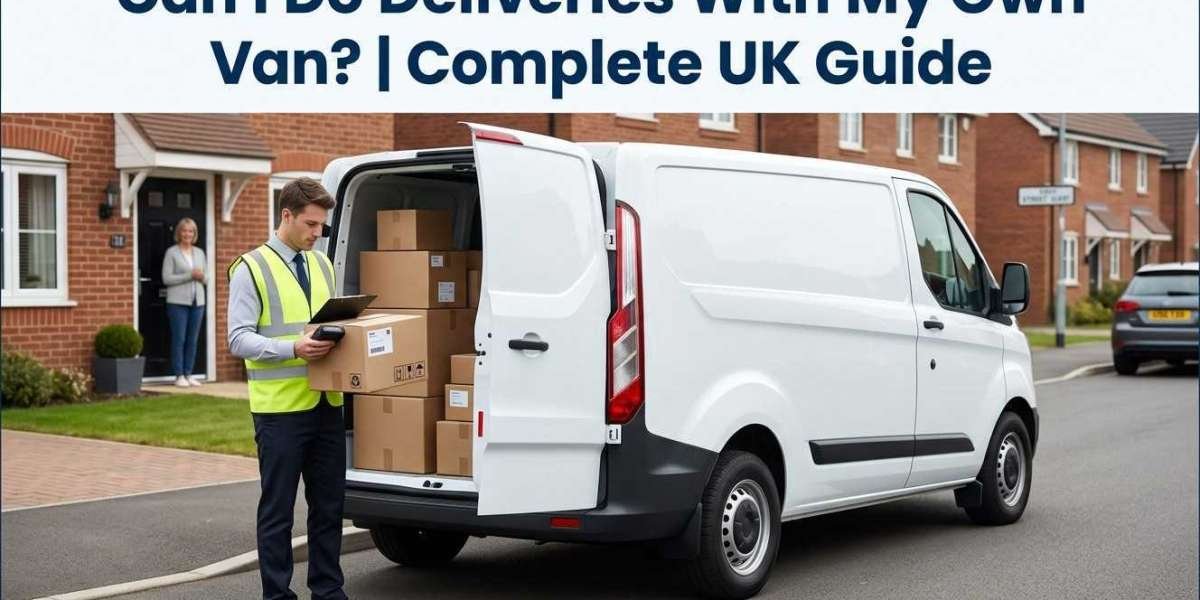

Can I Do Deliveries With My Own Van? This is one of the most common questions asked by people looking to earn extra income or start a career in the logistics industry. With the growing demand for online shopping, same-day deliveries, courier services, and even hgv delivery services, there are more opportunities than ever for van owners to generate income through transport and delivery work.
The good news is that, in most cases, the answer is yes. If you own a van and meet certain legal and insurance requirements, you can work as an owner-driver, partner with courier companies, secure local delivery contracts, or even build your own delivery business. However, before getting started, it's important to understand the requirements, costs, earning potential, and opportunities available in the UK market.
This guide explains everything you need to know about doing deliveries with your own van, including how to find work, what insurance you'll need, expected earnings, and practical tips for long-term success.
Table of Contents
- Can I Do Deliveries With My Own Van?
- What Are the Requirements for Delivery Work?
- Types of Delivery Jobs Available
- How Much Can You Earn With Your Own Van?
- How to Find Delivery Contracts
- Insurance and Legal Requirements
- Benefits of Using Your Own Van for Deliveries
- Challenges to Consider
- Tips for Success as an Owner-Driver
- Conclusion
Can I Do Deliveries With My Own Van?
The simple answer is yes.
Thousands of drivers across the UK use their own vans to carry out deliveries for courier companies, retailers, logistics providers, wholesalers, and local businesses.
Many businesses prefer working with self-employed owner-drivers because it allows them to increase delivery capacity without maintaining large fleets.
You can use your van for:
- Parcel deliveries
- Same-day courier services
- Multi-drop deliveries
- Medical deliveries
- Retail deliveries
- Furniture deliveries
- Document transport
- Food and grocery deliveries
- Business-to-business logistics services
The type of work available often depends on your location, vehicle size, and experience.
What Are the Requirements for Delivery Work?
Before accepting delivery jobs, you'll need to ensure you meet the necessary requirements.
Valid Driving Licence
You must hold a valid UK driving licence appropriate for the vehicle you operate.
For most courier and van delivery roles, a standard Category B licence is sufficient.
Suitable Vehicle
Your van should be:
- Roadworthy
- Properly maintained
- MOT compliant
- Suitable for carrying goods safely
Many delivery companies prefer medium or large panel vans due to their carrying capacity.
Goods in Transit Insurance
Most courier companies require drivers to carry Goods in Transit insurance.
This insurance helps protect customer goods while they are being transported.
Public Liability Insurance
Although not always mandatory, public liability insurance can provide additional protection if accidents occur while carrying out deliveries.
Self-Employment Registration
If you plan to work independently, you'll need to register as self-employed with HMRC and manage your own tax obligations.
Types of Delivery Jobs Available
One advantage of owning a van is the variety of work available.
Parcel Delivery Services
Parcel delivery remains one of the most accessible sectors for new drivers.
Major courier networks regularly recruit owner-drivers to handle increasing delivery volumes.
Typical work includes:
- Residential deliveries
- Business deliveries
- Collection services
- Multi-drop routes
Same-Day Courier Services
Same-day courier work often pays more than standard parcel deliveries.
Businesses frequently require urgent transportation of:
- Documents
- Parts
- Medical supplies
- Retail stock
This type of work usually involves fewer deliveries but longer distances.
Retail Delivery Contracts
Large retailers often outsource deliveries to self-employed drivers.
Opportunities may include:
- Furniture delivery
- Appliance delivery
- Store replenishment
- Customer home deliveries
Specialist Delivery Services
Experienced drivers may secure contracts involving:
- Pharmaceutical deliveries
- Confidential document transport
- High-value goods
- Commercial freight
Specialist work generally offers higher earning potential.
How Much Can You Earn With Your Own Van?
One of the biggest reasons people ask, "Can I Do Deliveries With My Own Van?" is the earning potential.
Income varies depending on several factors:
- Location
- Vehicle size
- Type of deliveries
- Hours worked
- Contracts secured
Typical UK Earnings
Owner-drivers commonly earn between:
- £100–£250 per day for standard courier work
- £150–£350 per day for specialist deliveries
- Higher rates for urgent same-day transport
Drivers operating efficiently and securing regular contracts often achieve higher profits.
Keep in mind that expenses such as fuel, maintenance, insurance, and vehicle depreciation will impact overall earnings.
How to Find Delivery Contracts
Finding reliable delivery work is essential for maintaining consistent income.
Work Directly With Courier Companies
Many courier operators recruit self-employed drivers throughout the year.
Common opportunities include:
- Parcel networks
- Regional courier firms
- National logistics providers
Delivery Platforms
Online delivery platforms connect drivers with businesses requiring transportation services.
These platforms can help new owner-drivers gain experience and build customer relationships.
Local Business Partnerships
Many local businesses need dependable delivery support.
Potential clients include:
- Retail shops
- Wholesalers
- Pharmacies
- Printers
- Furniture stores
Building local partnerships often leads to recurring work.
Networking Within the Logistics Industry
Many successful owner-drivers secure contracts through industry contacts and recommendations.
A strong reputation can generate ongoing opportunities.
Insurance and Legal Requirements
Vehicle Insurance
Standard personal vehicle insurance usually does not cover commercial delivery activities.
You'll likely require:
- Hire and reward insurance
- Commercial vehicle insurance
- Goods in transit cover
Vehicle Maintenance
Maintaining your van is critical.
Regular servicing helps:
- Reduce breakdowns
- Improve safety
- Minimise downtime
- Protect your reputation
Compliance Responsibilities
Drivers must comply with:
- Road traffic laws
- Vehicle safety regulations
- HMRC requirements
- Customer delivery procedures
Keeping accurate records is essential for professional operations.
Benefits of Using Your Own Van for Deliveries
Many people choose owner-driver work because of its flexibility.
Key benefits include:
Flexible Working Hours
You often have greater control over your schedule compared to traditional employment.
Business Growth Opportunities
Many drivers eventually expand into larger transport operations by adding vehicles and drivers.
Increased Earning Potential
Unlike fixed salaries, earnings can grow based on workload and contracts secured.
Independence
Running your own delivery operation allows you to make business decisions and choose preferred work opportunities.
Challenges to Consider
While delivery work offers opportunities, there are challenges to understand.
Fuel Costs
Fuel remains one of the largest operating expenses.
Monitoring routes and vehicle efficiency helps reduce costs.
Vehicle Wear and Tear
Heavy usage can increase maintenance expenses and shorten vehicle lifespan.
Seasonal Demand
Some periods are busier than others.
Christmas and peak retail seasons often generate significantly more delivery work.
Competition
The courier industry remains competitive, making service quality and reliability essential.
Tips for Success as an Owner-Driver
If you're serious about building a successful delivery business, consider these practical tips.
Prioritise Customer Service
Reliable communication and professional service often lead to repeat work.
Keep Your Vehicle in Excellent Condition
A well-maintained van reduces downtime and improves customer confidence.
Use Route Planning Technology
Route optimisation tools can reduce fuel consumption and increase daily productivity.
Track Your Costs
Understanding operating expenses helps improve profitability.
Build Long-Term Relationships
Many successful owner-drivers generate consistent work through trusted business relationships rather than relying solely on delivery platforms.
Conclusion
So, Can I Do Deliveries With My Own Van? Absolutely. For many people across the UK, using a personal van for delivery work has become a practical way to earn income, gain independence, and even build a successful logistics business.
By meeting legal requirements, securing the right insurance, maintaining your vehicle properly, and building strong customer relationships, you can create a sustainable and profitable delivery operation. Whether you're looking for part-time courier work or planning to establish a full-service delivery business, opportunities continue to grow across the UK logistics sector.
Businesses seeking dependable logistics support should also consider partnering with an experienced transport fleet provider to ensure reliable, efficient, and professional delivery services that meet modern customer expectations.