

Anyone who's tasted properly made matcha alongside standard green tea has likely noticed something surprising, matcha tastes naturally sweeter and more umami-rich, despite coming from the exact same plant. That difference doesn't happen by accident. It's the direct result of a deliberate agricultural process called shade-growing, one of the oldest and most important techniques in matcha production, and it's worth understanding exactly how it works.
What Shade-Growing Actually Involves
Shade-growing is precisely what it sounds like, covering tea plants to block a significant portion of direct sunlight in the weeks leading up to harvest. For matcha specifically, this shading typically begins around three to four weeks before picking, using either traditional woven straw mats or, more commonly today, synthetic shade cloths stretched over the tea bushes. The shading isn't total darkness, but a meaningful reduction in the sunlight the plant would otherwise receive, usually blocking somewhere between 70 and 95 percent of direct light depending on the specific timing and desired quality level.
Why Reduced Sunlight Changes the Plant's Chemistry
Tea plants respond to reduced sunlight in a genuinely fascinating way. Deprived of its usual light levels, the plant ramps up chlorophyll production in an effort to capture whatever light is still available, which directly produces matcha's signature vivid green color. At the same time, shading triggers an increase in L-theanine, an amino acid responsible for much of matcha's naturally sweet, savory flavor and its calming effect on the body. Without adequate sunlight to convert these amino acids into bitter-tasting catechins through normal photosynthesis, the plant essentially retains more of the sweet, umami compounds instead.
The Trade-Off Between Bitterness and Sweetness
Under normal, unshaded growing conditions, tea leaves convert stored amino acids into catechins as part of regular photosynthesis, and catechins are largely responsible for the more astringent, bitter taste typical of standard green tea. Shading interrupts this conversion process, essentially trapping more L-theanine in the leaf before it gets transformed into these bitter compounds. This is the core chemical trade-off that makes shade-grown matcha taste so distinctly different, and noticeably sweeter, than sun-grown green tea picked from the very same plant.
Timing Matters as Much as the Shading Itself
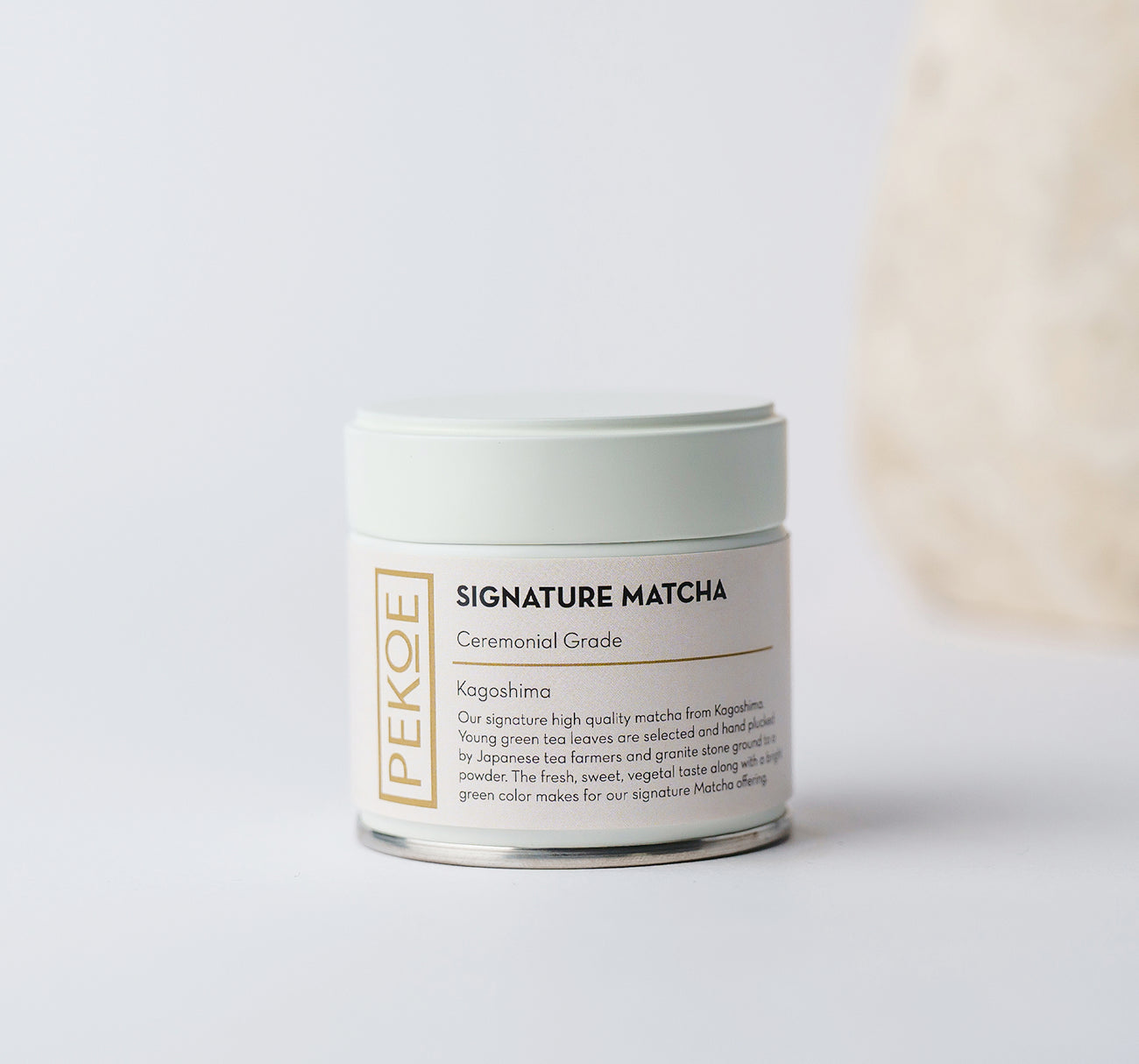
Not all shading is created equal, and the specific timing plays a major role in the final quality. Longer shading periods, closer to four weeks, tend to produce a more pronounced sweetness and deeper color, which is why the highest quality ceremonial grade matcha typically comes from leaves shaded for the longest, most carefully managed periods. Shorter or less consistent shading produces a milder version of these same effects, part of why lower grades of matcha taste noticeably more bitter and less vividly colored than premium or ceremonial options.
Only the Youngest Leaves Make the Cut
Shading alone doesn't guarantee quality matcha, the specific leaves harvested matter just as much. Only the youngest, most tender leaves at the very top of the plant are hand-picked for genuine matcha production, since these leaves contain the highest concentration of the beneficial compounds shading is designed to maximize. Older, more mature leaves further down the plant, even after the same shading process, simply don't deliver the same depth of sweetness or vivid color.
From Shaded Leaf to Finished Powder
After harvesting, shaded leaves are steamed almost immediately to halt oxidation and preserve their color and nutrient content, then dried and de-veined before the final stone-grinding process. This traditional grinding, done slowly in granite mills to avoid generating heat, further protects the delicate flavor compounds the shading process worked so hard to preserve. Skipping careful handling at any of these later stages can undo much of the benefit the shading process originally created.
Why This Process Justifies Matcha's Reputation
Understanding shade-growing makes it much easier to appreciate why quality matcha commands a higher price than standard green tea, and why cheaper, mass-produced alternatives so often taste flat and disappointing by comparison. The entire naturally sweet, umami-forward flavor profile that makes matcha so distinct depends on this specific, labor-intensive cultivation step, one that simply can't be replicated through processing alone once sun-grown leaves have already developed their harsher, more bitter chemical profile.
Where a Brand Like Pekoe Reflects This Standard
Pekoe, a tea brand with a dedicated matcha collection, sources its matcha from respected Japanese growing regions where proper shade-growing remains a carefully maintained standard practice rather than a shortcut skipped to reduce cost. This attention to authentic cultivation is exactly why properly sourced matcha tastes noticeably sweeter and more balanced than lower-quality alternatives that skip or shorten this essential step in pursuit of a lower price point.
A Process Worth Understanding Before Your Next Cup
Shade-growing isn't a marketing term, it's a genuinely essential agricultural process that fundamentally changes a tea leaf's chemistry, producing the vivid color, naturally sweet flavor, and calming effect that define quality matcha. Understanding this process makes it easier to recognize why properly shaded, carefully sourced matcha tastes so different from cheaper alternatives, and why that difference is worth paying attention to the next time you're choosing which tin to buy.
For more information
TikTok: mypekoe
Instagram: mypekoe
Facebook: mypekoe