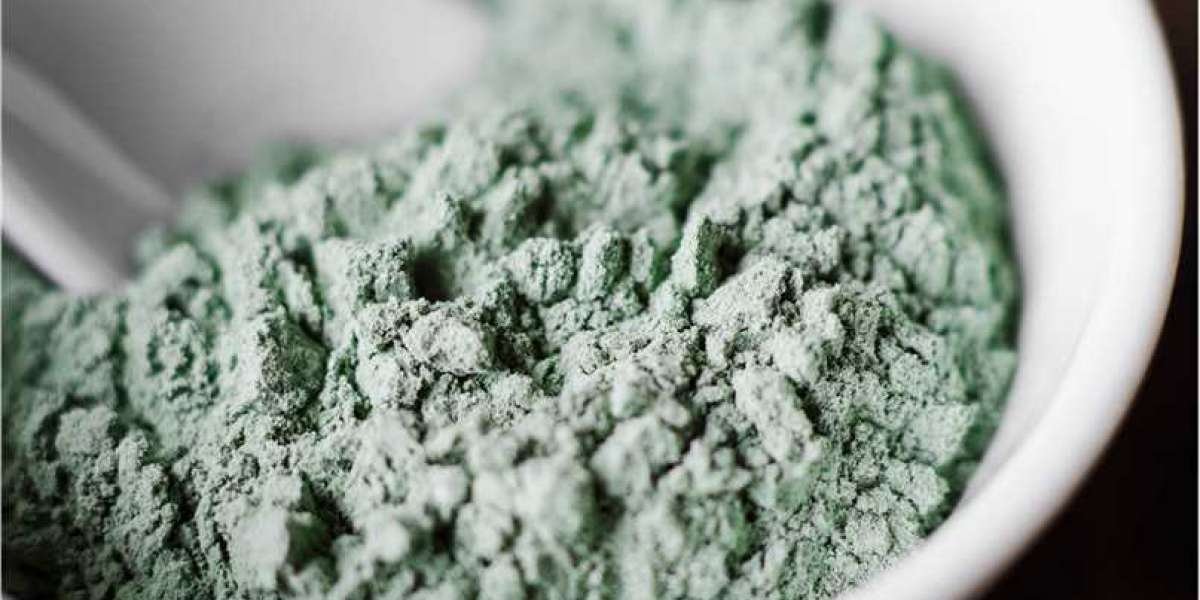

Carbohydrate Polysaccharides in Cosmetics
Polysaccharides are complex carbohydrates composed of multiple sugar units linked together. The use of carbohydrate polysaccharides in cosmetic formulations has gained significant attention due to their multifunctional properties and natural origin. These complex carbohydrates, derived from various sources such as plants, seaweeds, and microorganisms, offer a range of benefits for skincare and haircare products. Their unique chemical structures and diverse functionalities make them valuable ingredients in formulating cosmetics aimed at providing hydration, protection, and overall skin health.
Natural Origin of Polysaccharides
The natural origin of polysaccharides is in line with the growing consumer preference for natural and sustainable cosmetic ingredients, such as marine carbohydrate polysaccharides and plant carbohydrate polysaccharides.
Marine Carbohydrate Polysaccharides
Marine organisms are a good source of nutrients and are rich in carbohydrates in the form of sulfated polysaccharides (SPs). For example, SPs in marine organisms provide a good source of antioxidants for the cosmeceutical industry. Examples already used in cosmetics include fucoidan, carrageenan and alginate substances. [1]
- Alginate: Alginate, derived from brown seaweeds, has the ability to form a hydrating and protective film on the skin makes it valuable in moisturizers, masks, and anti-aging products.
- Carrageenan: Carrageenan, extracted from red seaweeds, is known for its gelling and thickening properties. In cosmetics, it is often used to improve the texture and stability of various formulations, including lotions and creams.
- Fucoidan: Fucoidan, found in brown seaweeds, has gained attention for its antioxidant and skin-soothing effects.
Plant Carbohydrate Polysaccharides
The potential of polysaccharides obtained from plants in skin care has been widely explored, for example as wound healing, antibacterial, antioxidant and anti-inflammatory, antitumor and anti-aging compounds.[2] Popular plant polysaccharides include xylitol, cellulose, aloe polysaccharide, and konjac glucomannan, etc.
- Xylitol: Xylitol, a sugar alcohol found in various plant sources, is valued for its moisturizing and humectant properties in skincare products.
- Cellulose: Cellulose, derived from plant sources, contributes to the texture and viscosity of cosmetic formulations. Its film-forming properties are beneficial in products designed for long-lasting wear, such as sunscreens and makeup.
- Aloe Vera Polysaccharides: Polysaccharides found in aloe vera gel offer soothing and moisturizing benefits to the skin. Aloe vera polysaccharides are frequently incorporated into after-sun products, moisturizers, and soothing gels.
- Konjac Glucomannan: Derived from the konjac plant, glucomannan is a water-soluble polysaccharide used in cosmetics for its ability to improve skin texture and promote hydration, particularly in cleansers and exfoliating products.
Functions and Benefits of Carbohydrate Polysaccharides in Cosmetic Formulations
Hydration and Moisture Retention
Polysaccharides such as hyaluronic acid and glycosaminoglycans are renowned for their exceptional ability to attract and retain moisture in the skin, contributing to improved hydration and suppleness.
Skin Protection and Barrier Function
Certain polysaccharides, including beta-glucans and fructooligosaccharides, have been shown to support the skin's natural protective barrier, offering defense against environmental stressors and helping to maintain skin health. These functionalities are particularly valuable in products designed for sensitive or compromised skin.
Rheology and Texture Enhancement
Polysaccharides contribute to the rheological properties of cosmetic formulations, influencing texture, spreadability, and sensory attributes. For example, gellan gum and xanthan gum are polysaccharides frequently used to modify the texture of creams, lotions, and gels, enhancing consumer experience and product performance.