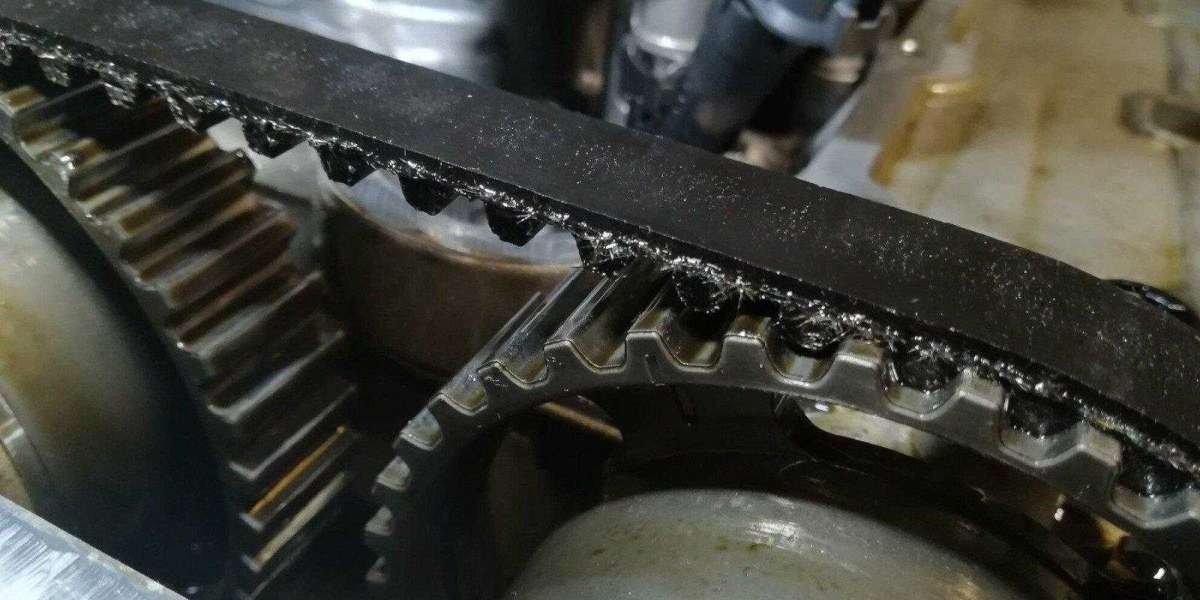

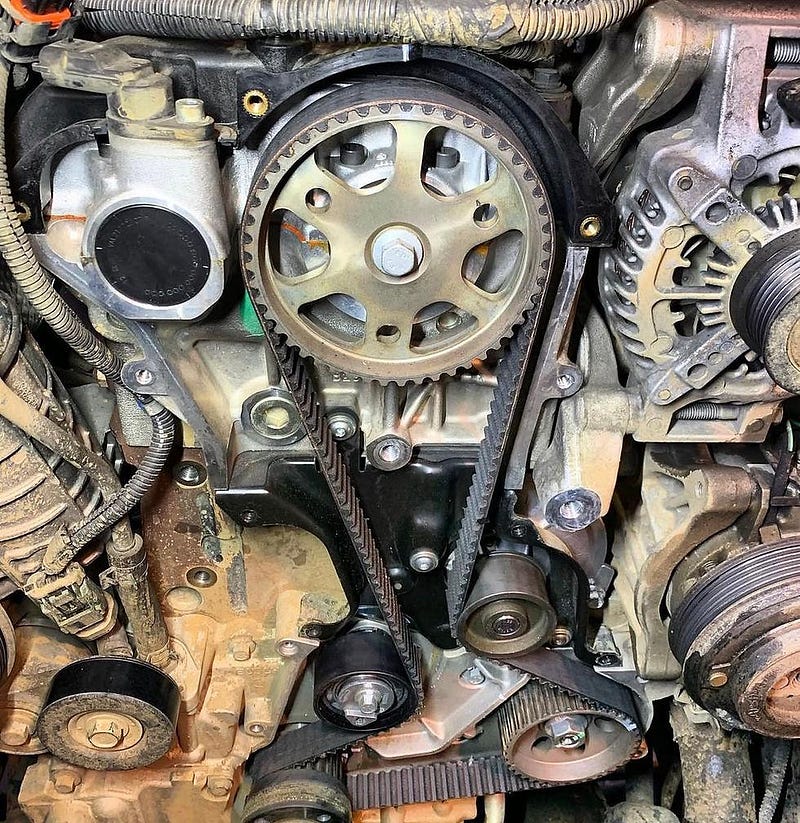
A timing belt is one of the most important components inside a modern vehicle’s engine. Although relatively simple in appearance, it plays a critical role in keeping the crankshaft and camshaft synchronised. If the belt becomes worn, damaged, or breaks unexpectedly, the resulting engine damage can be significant.
For drivers, understanding when replacement is required, what affects the cost, and how professional maintenance can prevent expensive failures is an important part of responsible vehicle ownership. This is particularly relevant for motorists researching Timing Belt Replacements Trowbridge and other services across the United Kingdom.
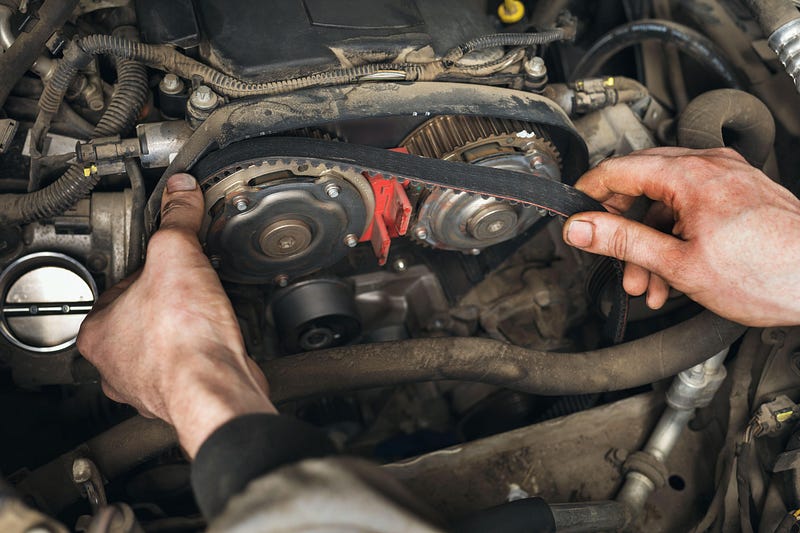
Why Timing Belt Replacement Matters
The timing belt controls the precise movement of the engine’s internal components. It ensures that the valves open and close at the correct time in relation to the pistons. Because this operation requires accurate synchronisation, even a small timing error can affect engine performance.
Unlike some visible vehicle components, timing belts can deteriorate internally without producing obvious warning signs. Age, mileage, engine temperature, oil contamination, and driving conditions can all contribute to belt degradation.
A broken timing belt can potentially cause:
- Bent or damaged engine valves
- Piston damage
- Cylinder-head problems
- Loss of engine power
- Expensive repair requirements
- Vehicle breakdown and recovery costs
For this reason, replacement should generally be based on the vehicle manufacturer’s recommended mileage or age interval rather than waiting for symptoms to appear.
What Influences Timing Belt Replacement Costs?
One of the most common questions motorists ask concerns wet timing belt replacement cost. There is no single price that applies to every vehicle because several factors influence the final expense.
The main considerations include:
Vehicle make and model: Different engines use different belt systems and require different amounts of labour.
Engine design: Some timing systems are relatively accessible, while others require significant dismantling before the belt can be reached.
Parts required: A professional replacement may involve more than the belt itself. Tensioners, idler pulleys, guides, seals, and water pumps may also need inspection or replacement.
Labour time: The complexity of the engine determines how long the job takes. More complicated layouts can increase labour costs.
Additional maintenance: If oil contamination, coolant leaks, or damaged components are discovered during the work, additional repairs may be necessary.
Obtaining a vehicle-specific assessment is therefore more useful than relying on a generic online estimate.
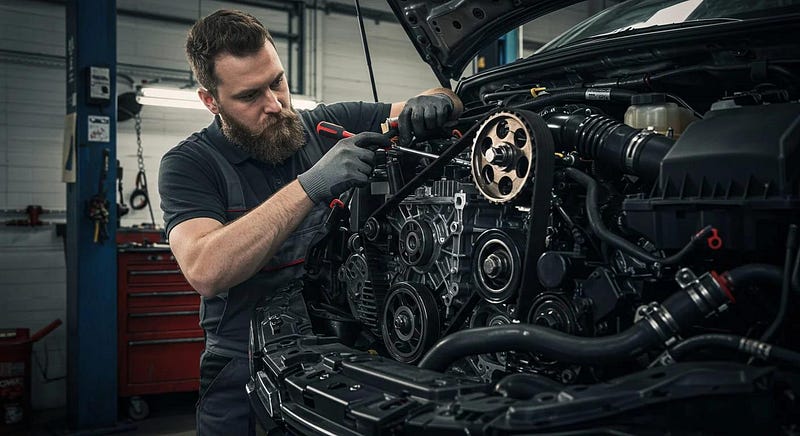
Common Challenges When Replacing a Timing Belt
Timing belt work requires precision. Incorrect installation can cause the engine timing to become misaligned, potentially resulting in poor performance or serious internal damage.
Another challenge is determining whether related components should be replaced at the same time. Installing a new belt while leaving worn tensioners or pulleys in place can undermine the reliability of the repair.
A sensible replacement process should include:
- Checking the manufacturer’s recommended replacement interval.
- Inspecting the existing belt and surrounding components.
- Confirming the correct replacement parts.
- Checking tensioners, pulleys, and associated seals.
- Inspecting the water pump where applicable.
- Setting and verifying engine timing accurately.
- Testing the vehicle after installation.
These steps help reduce the risk of premature failure and provide greater confidence in the completed repair.
Trends in Timing Belt Maintenance Across the UK
Modern vehicle maintenance is increasingly influenced by longer service intervals, complex engine designs, and greater awareness of preventative maintenance. Drivers are also becoming more interested in understanding maintenance costs before authorising repairs.
This has increased demand for reliable Timing Belt Replacements UK services that provide clear explanations rather than simply focusing on the repair itself.
Another important development is the increasing use of wet timing belts in certain modern engines. Unlike conventional dry belts, wet timing belts operate within the engine oil environment. Their design can offer engineering advantages, but correct oil specification and maintenance become especially important.
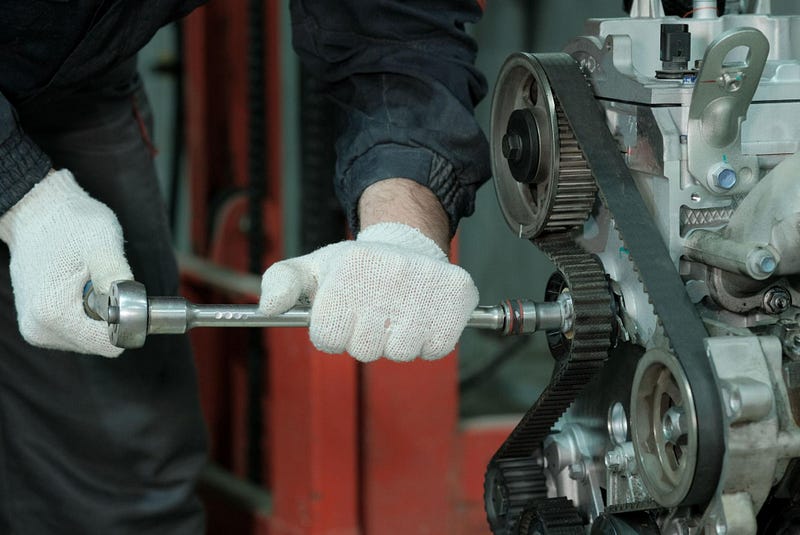
Using the wrong oil or neglecting scheduled servicing may contribute to premature belt deterioration. Vehicle owners should therefore follow the manufacturer’s oil specification and servicing requirements carefully.
Choosing the Right Timing Belt Replacement Service
When comparing Timing Belt Replacements Services, motorists should consider more than the quoted price. The quality of parts, technician experience, diagnostic checks, warranty terms, and overall repair process can all influence the long-term outcome.
Useful questions to ask a workshop include:
- What replacement parts are included?
- Will the tensioner and pulleys be inspected?
- Is the water pump included where appropriate?
- What manufacturer interval applies to the vehicle?
- Are the correct oil and engine specifications being followed?
- Is there documentation confirming the work completed?
For motorists in Wiltshire, SM Auto Service provides information about timing belt replacement and the factors that should be considered when maintaining vehicles in the Trowbridge area.
Final Takeaway
Timing belt replacement is preventative maintenance, not simply a repair to consider after something goes wrong. Understanding the manufacturer’s service interval, recognising the factors affecting replacement costs, and addressing related components can help reduce the likelihood of unexpected engine problems.
Whether researching Timing Belt Replacements Trowbridge, comparing Timing Belt Replacements UK options, or investigating the potential wet timing belt replacement cost for a specific vehicle, motorists should focus on vehicle-specific requirements and qualified workmanship.
A properly planned timing belt replacement can provide an important layer of protection for the engine and help drivers avoid the much greater financial consequences associated with timing belt failure.